
Rare Mountain Gorilla Twins Born in Virunga National Park
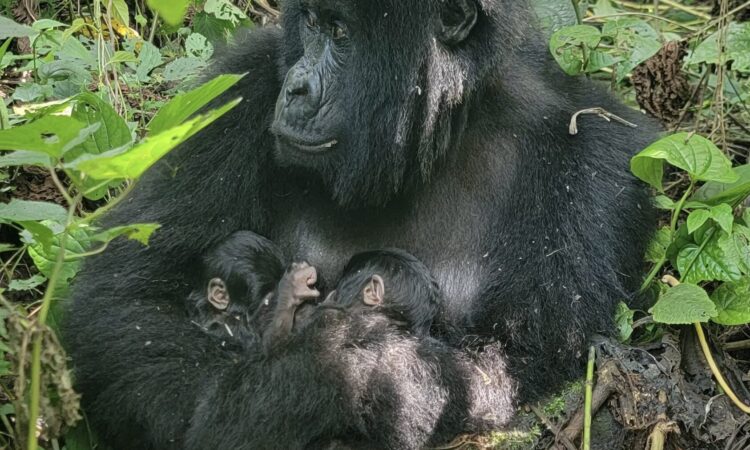
Rare Mountain Gorilla Twins Born in Virunga National Park: In an outstanding and inspiring event for wildlife conservation, a rare set of mountain gorilla twins was born in Virunga National Park, located in the Democratic Republic of Congo. The birth was first noticed by community trackers on January 3, 2026, when they stumbled upon a 22-year-old female gorilla, Mafuko, with two healthy male infants, an unheard-of situation for the highly endangered species.
Mountain gorillas (Gorilla beringei beringei) are rare and endangered primates with about 1,000 individuals living in fragmented protected forests in Congo, Rwanda, and Uganda. Twin births in the wild are extremely rare; they are believed to represent a tiny fraction of the total number of births, and so the event is a major milestone for conservation scientists and park officials.
Boost for Conservation Efforts
Virunga National Park is the oldest national park in Africa and a UNESCO World Heritage Site, spanning some 3,000 square miles of grassland, rainforest, volcanoes and lakes. Despite continued threats from armed conflict and strain on the forest ecosystem, the park is still one of the few places where the mountain gorilla survives.
The Bageni silverbacks had two males born (twins) in their group, now making the Bageni the largest group of gorillas in the park with 59 members. For conservationists, that’s a good sign as they work to increase the species’ numbers. Gorillas usually give birth to one infant every four years, so twin births bring hope, but also logistical complications, as mothers have to carry and move about with two entirely dependent infants in difficult terrain. Park officials have responded by instituting heightened surveillance and protection to help ensure the survival and health of the infants during that vulnerable beginning stage of their lives.
Beyond the scientific value, the twin births are a symbol of strength for a species that has been subject to severe threats from loss of habitat, poaching and regional insecurity. “The success also demonstrates the commitment and efficiency of the community trackers and the park rangers who patrol and guard the gorillas’ habitat daily.”
Tourism implications
Mountain gorilla trekking is a staple of eco-tourism in East and Central Africa. Tourists from across the globe come to protected sites such as Virunga National Park, Uganda’s Bwindi Impenetrable Forest National Park, and Rwanda’s Volcanoes National Park to see habituated gorilla groups in the wild. Tourism is the lifeblood of the local economy, and it contributes to the funding for conservation, anti-poaching patrols, and community development projects.
The effects on the country’s tourism industry
1. More global attention and interest
Unusual wildlife stories, especially those including charismatic species, mountain gorillas, for example, attract general media attention and public interest. News of the twins is expected to raise awareness about both gorilla conservation and Virunga National Park in particular, and possibly will encourage more people to come for gorilla trekking. Narrative and emotional connections are powerful in wildlife tourism, and the twins’ story could draw travellers who are looking for meaningful and unusual wildlife experiences.
2. Greater Conservation Tourism Appeal
Travellers now visiting national parks such as Virunga are not only looking at animals, they are seeking to feel connected to a wider conservation story. A rare birth highlights the success of continued protection efforts, and that can make prospective visitors feel their tourism dollars are going toward meaningful conservation. More visitors mean more money to protect parks, support rangers, and fund community programs that help local livelihoods.
3. Advantages for Local Economies
Tourism provides jobs and income for lodge staff and guides to transportation providers, and local artisans. The increase for gorilla trekking in Uganda might also increase pressure on lodges, restaurants and cultural tourism operators in rural communities around the park. This results in stronger community support for conservation as they have a direct interest in the protection of wildlife and forest habitat.
4. Encouraging Responsible and Sustainable Tourism
While rising demand is positive, it needs to be controlled. Gorilla trekking has to follow strict rules to have the least possible impact on the animals. Virunga National Park, as with other gorilla sites, applies limits on the number of visitors, hygiene protocols and rules of proximity to help protect the health and welfare of gorillas. The twin births may be used as a vehicle to reaffirm responsible tourism that puts animal welfare and habitat protection first.
5. Enhancing Gorilla Tourism
Gorilla trekking is Africa’s most popular wildlife experience. News of gorilla twins expands the attraction of gorilla tourism by supporting the story of recovery and resilience. Visitors want to visit places where their tourism dollars go toward conservation, and that makes Virunga a great pick for responsible travellers.
The birth of rare Virunga Mountain gorilla twins is more than just a heartwarming wildlife story; it is a major conservation success and could be a catalyst for boosting tourism and local economies. As the twins develop, they will contribute not only to the survival of their species but also to a larger story of hope, resilience, and the shared value of safeguarding Earth’s most imperilled wildlife.
Virunga is much more than just gorilla tracking. From once-in-a-lifetime gorilla trekking and dramatic volcano climbs to picturesque lakes with rich birdlife and colourful local communities, the park offers experiences unique in the world. Travellers who visit the Virunga National Park are contributing to a powerful conservation narrative, one that safeguards endangered wildlife while uplifting local communities.
Now is the perfect time to visit Virunga National Park. Explore the magic of Africa’s oldest national park, track mountain gorillas in the wild and make memories that last a lifetime while helping to protect one of the world’s most extraordinary wilderness areas.

