
Cultural Tours in Virunga National Park
Cultural Tours in Virunga National Park: Virunga National Park, located in the eastern Democratic Republic of Congo, is often celebrated for its dramatic landscapes and extraordinary biodiversity. While it is globally recognized for its mountain gorillas and active volcanoes, an equally enriching yet sometimes overlooked experience lies in its cultural tours. These tours offer visitors a unique opportunity to connect with the communities that have lived alongside the park for generations, providing a deeper understanding of the region’s heritage, traditions, and resilience.
Cultural tours in Virunga National Park are designed to bridge the gap between conservation and community. The park is surrounded by diverse ethnic groups, each with distinct customs, languages, and histories. By participating in these tours, visitors gain insight into how local communities interact with the natural environment and how conservation efforts directly impact their daily lives. This human dimension adds meaning to the wildlife and landscapes, transforming a typical safari into a more holistic experience.
What to Expect on a Cultural Tour to Virunga National Park?
One of the highlights of cultural tours in the Virunga region is visiting traditional villages. Guests are welcomed by community members who are eager to share their way of life. These visits often include demonstrations of traditional cooking methods, farming practices, and craftsmanship. For example, visitors might learn how cassava is processed into flour or observe artisans weaving baskets and creating handmade tools. These activities not only showcase practical skills but also reflect cultural identity and heritage passed down through generations.
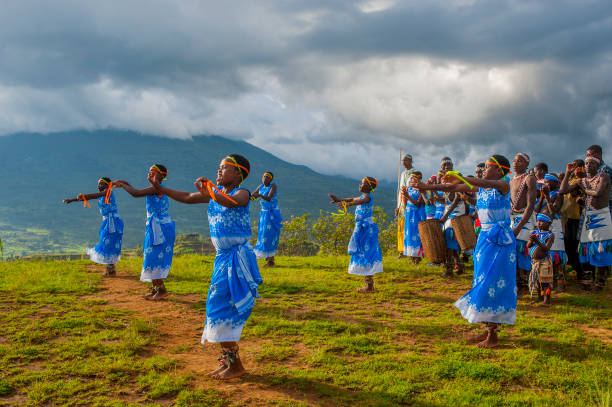
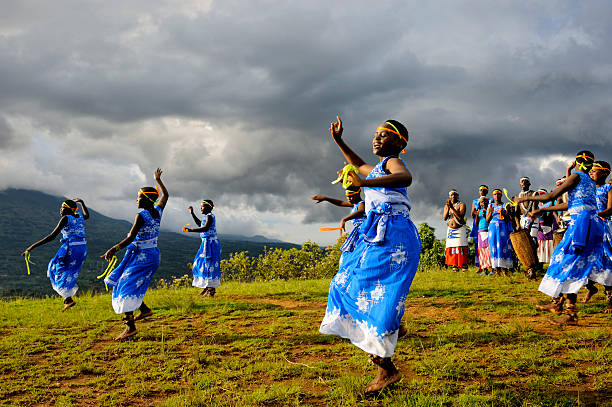
Music and dance are central to many of these cultural experiences. Visitors are frequently invited to watch or participate in traditional performances that feature rhythmic drumming, vibrant costumes, and energetic dances. These performances are more than entertainment; they are expressions of storytelling, spirituality, and communal values. Through song and movement, communities share their histories, celebrate milestones, and preserve their cultural narratives.
Another important aspect of cultural tours is learning about local conservation initiatives. Many communities around Virunga National Park are actively involved in protecting the environment. Visitors may have the chance to meet local rangers, community leaders, or members of conservation cooperatives who explain how sustainable practices are being implemented. These discussions often highlight the challenges faced by communities, such as balancing economic needs with environmental protection, and the innovative solutions they are developing.
How do Cultural Tours to Virunga Contribute to the Economy and Local Communities?
Cultural tours also provide an opportunity to explore local markets. These vibrant spaces are filled with fresh produce, handmade crafts, and everyday goods. Walking through a market allows visitors to experience the rhythm of daily life and engage directly with vendors. It’s also an opportunity to support the local economy by purchasing souvenirs that are authentically crafted within the community.
Importantly, these tours are structured to ensure that tourism benefits local people. Revenue generated from cultural experiences often goes directly to community projects, such as schools, healthcare facilities, and clean water initiatives. This creates a positive cycle where tourism supports development, and communities, in turn, become more invested in preserving their cultural and natural resources.
How to Prepare for Your Cultural Tour in Virunga National Park?
Despite its many rewards, cultural tourism in Virunga National Park requires thoughtful participation. Visitors are encouraged to approach these experiences with respect, an open mind, and cultural sensitivity. Understanding local customs, asking permission before taking photographs, and engaging genuinely with hosts are essential practices that foster meaningful connections.
In conclusion, cultural tours in Virunga National Park offer far more than a glimpse into local traditions-they provide a powerful lens through which visitors can understand the relationship between people, nature, and conservation. By stepping beyond wildlife and engaging with the communities that call this region home, travelers gain a richer, more nuanced appreciation of Virunga. These experiences not only leave lasting memories but also contribute to the sustainable future of one of Africa’s most remarkable regions.

